Energy-Efficient Remodeling: Where Your Investment Pays Off First
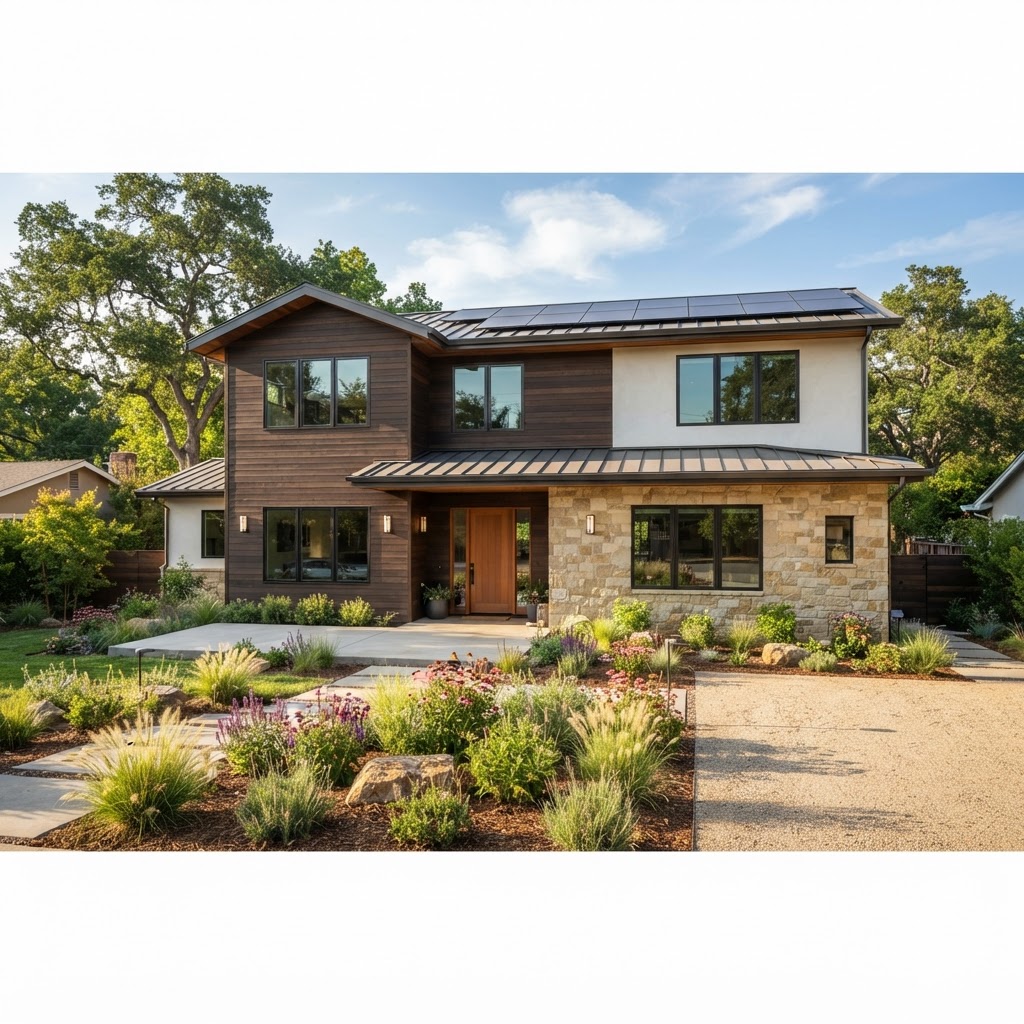
When homeowners hear “energy-efficient remodeling,” they often picture solar panels, smart thermostats, and a long list of expensive upgrades. Those improvements can be valuable, but the smartest approach is usually more practical: fix the parts of the home that waste the most energy, improve comfort at the same time, and plan the work around the remodel you already want to do.
The goal isn’t to make your house feel high-tech. It’s to make it easier to heat, cool, and live in—without paying for conditioned air that immediately escapes through the walls, roof, windows, or ductwork.
Start with the building envelope
Before choosing equipment, look at the “envelope” of the home: the roof, exterior walls, windows, doors, and foundation areas that separate indoor space from the outdoors. If the envelope is leaky or poorly insulated, a larger HVAC system will only work harder to compensate.
A professional evaluation can identify air leaks around recessed lights, plumbing penetrations, attic hatches, door frames, and older windows. Sealing those gaps is often less dramatic than replacing a major system, but it can make a noticeable difference in drafts and temperature swings.
Insulation is another high-impact place to start. Attics are especially important because heat moves through the roof assembly year-round. During a renovation, it may be possible to improve attic insulation, seal the ceiling plane, or address difficult areas around dormers and roof transitions. For additions and major exterior work, the wall and roof assemblies can be designed correctly from the beginning rather than patched later.
Choose windows for performance, not just appearance
New windows can transform the look of a home, but energy performance depends on more than the frame color or style. Pay attention to the window’s glass package, U-factor, solar heat gain coefficient, air leakage rating, and installation method. The right choice depends on your climate, the direction each window faces, and how much shade the home receives.
It’s also important to remember that even a high-performing window can underperform if it’s installed poorly. Flashing, insulation, air sealing, and water management around the opening all matter. This is one reason window replacement is often best coordinated with siding, exterior trim, or a broader remodeling project.
Upgrade HVAC systems after reducing the load
One of the most common planning mistakes is replacing heating and cooling equipment before improving the home’s envelope. If insulation and air sealing reduce the amount of energy the house needs, the new HVAC system may not need to be as large as the old one.
A properly sized heat pump or high-efficiency furnace can provide better comfort and lower operating costs, but sizing should be based on a professional load calculation—not simply on the capacity of the existing equipment. Oversized systems can cycle too frequently, which may create uneven temperatures and reduce efficiency.
If you are remodeling one part of the house, ask how the work will affect airflow. A new addition, finished attic, or reconfigured floor plan may require updated ductwork, zoning, returns, or ventilation. Addressing those details while walls and ceilings are open is usually much easier than revisiting them later.
Don’t overlook water heating and plumbing
Water heating is another major household energy expense. When a remodel includes a utility room, kitchen, or bathroom, it may be a good time to evaluate the water heater’s age, efficiency, location, and capacity.
Heat-pump water heaters can be highly efficient in the right setting, but they need adequate clearance, airflow, and a suitable drain location. Tankless systems can also be a good fit, though they may require electrical or gas-service changes. Whichever direction you choose, insulating accessible hot-water lines and reducing unnecessary pipe runs can help hot water arrive faster with less waste.
Use lighting and controls to improve daily efficiency
LED lighting is now an easy win, but a remodel gives you the chance to make the lighting system work better—not just use less electricity. Layer ambient, task, and accent lighting so rooms can be lit only as much as needed. Add dimmers, occupancy sensors in low-traffic areas, and exterior controls that respond to schedules or daylight.
Smart controls can help, but they shouldn’t be the foundation of the plan. A connected thermostat cannot fix a drafty room or poorly balanced ductwork. Start with the physical improvements, then use controls to fine-tune how the home operates.
Plan upgrades in the right order
Energy improvements work best as a coordinated system. A sensible sequence is usually: evaluate the existing home, seal air leaks, improve insulation, address windows and exterior openings, update HVAC and ventilation, and then add controls or renewable-energy features.
That order can change depending on the project. For example, a roof replacement is an ideal opportunity to improve roof ventilation, insulation, and solar readiness. A kitchen or bathroom renovation may be the right moment to replace an aging water heater or upgrade lighting and exhaust fans. The best plan is the one that matches the construction access you already have.
Finally, ask your contractor to explain the expected result of each upgrade. You should understand whether a recommendation is intended to improve comfort, reduce utility use, protect the structure, or prepare the home for future technology. With thoughtful planning, energy-efficient remodeling becomes less about buying the newest product and more about building a home that performs well every day.
At Creekside Solutions, we help homeowners connect design decisions with long-term comfort, durability, and value. When energy improvements are planned alongside the remodel—not bolted on afterward—the finished home can look beautiful and feel better in every season.