Kitchen Remodeling Done Right: Where to Invest, Where to Save, and How to Avoid Regret
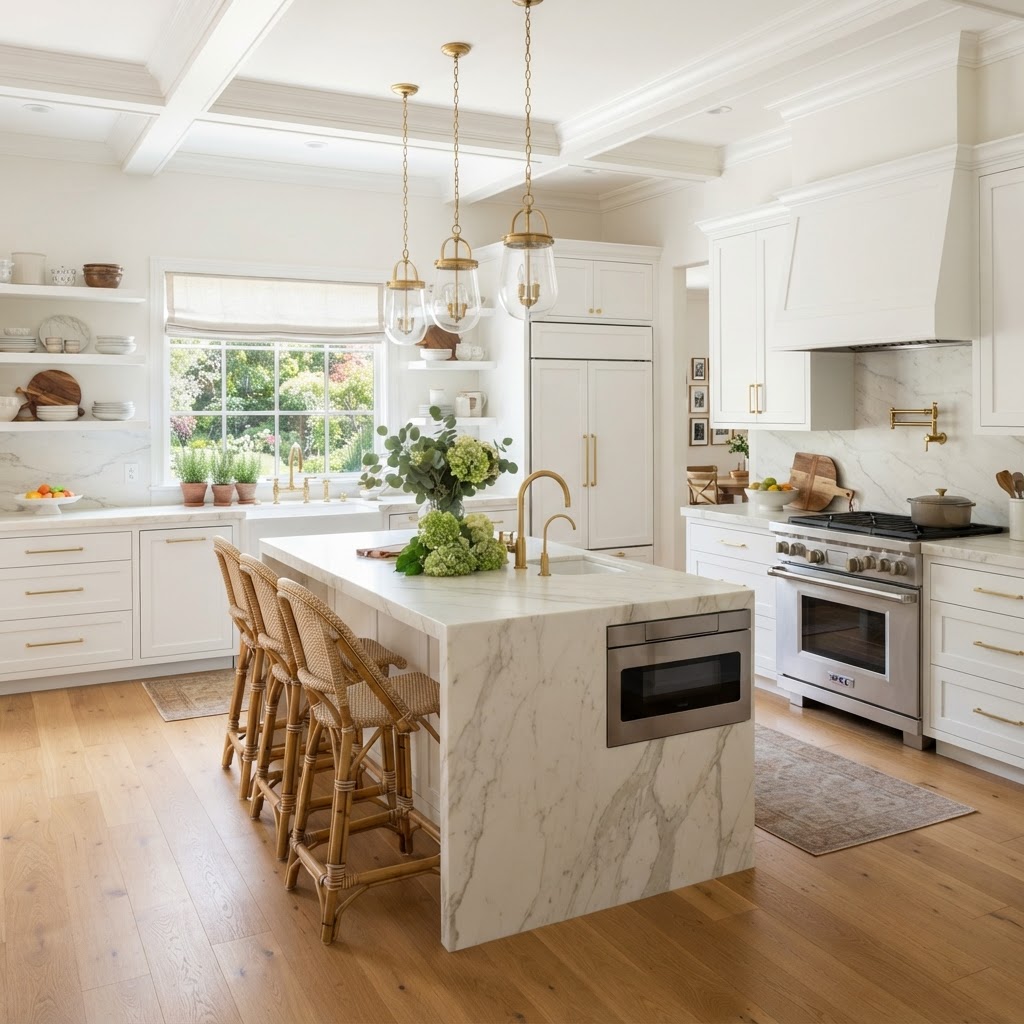
Let's be honest: the kitchen is the one room in the house that everyone gravitates toward. Whether you're hosting a holiday dinner or just making morning coffee, somehow everyone ends up standing around the island. So when it's time to remodel, the stakes feel high. You want a space that looks great, functions beautifully, and doesn't drain every penny you have.
The good news? A well-planned kitchen remodel can deliver one of the highest returns on investment of any home improvement project. The catch is that phrase "well-planned." A kitchen done wrong is an expensive mistake you'll live with every single day. Here's how to get it right.
Start With How You Actually Cook and Live
Before you fall in love with a Pinterest board, take a step back and think about how your family actually uses the kitchen. Do you cook every night, or is it more of a heat-and-eat situation? Do you entertain often? Is the kitchen also the homework zone, the mail-dumping ground, and the unofficial meeting room?
Your kitchen layout should follow your habits, not the other way around. If two people cook at once, make sure there's room to move without elbowing each other. If you meal-prep on Sundays, prioritize counter space and a second sink. If your kids snack constantly, consider a separate beverage fridge or a dedicated pantry zone so the main cooking area stays clear.
This is also where the classic "kitchen work triangle" comes in, the idea that your sink, stove, and refrigerator should form an efficient triangle with minimal obstruction between them. It's not a hard rule, but it's a solid principle. If you have to cross the entire kitchen just to get from the fridge to the stove, your layout is working against you.
Where to Invest Your Money
Not every part of a kitchen remodel deserves the same budget allocation. Some upgrades matter enormously for daily use and resale value. Others are pure vanity. Here's where your dollars work hardest.
Cabinets. This is where most of your budget should go, and for good reason. Cabinets take up the most visual real estate in the room, and cheap ones show their age fast. Look for solid construction, soft-close hinges and drawers, and a finish that can handle grease and humidity. You don't need custom cabinetry necessarily, but avoid the bottom-of-the-barrel options if you plan to stay in the home for years.
Countertops. After cabinets, this is your second-biggest visual and functional decision. Quartz remains the most popular choice for good reason: it's durable, low-maintenance, and comes in styles that mimic natural stone without the sealing hassle. Butcher block adds warmth and works great on an island. Natural stone like marble is gorgeous but high-maintenance. Pick something that matches how you actually live, not just how it looks in a showroom.
Layout and flow. If your current kitchen has a bad layout, fixing it is worth more than any fancy appliance. Moving a wall, relocating the sink, or reconfiguring the work triangle can transform how the space feels and functions. Yes, moving plumbing and electrical costs more, but a beautiful kitchen with a terrible workflow is still a frustrating kitchen.
Lighting. This is the most underappreciated upgrade in any kitchen remodel. Layer your lighting: recessed cans for general illumination, pendant lights over the island for task and ambiance, and under-cabinet lighting so you're not chopping vegetables in your own shadow. Good lighting makes even modest materials look expensive.
Where to Save Without Sacrificing Quality
Now the fun part: keeping money in your pocket where it doesn't need to leave.
Appliances. Unless you're a serious home chef or a passionate baker, you probably don't need a professional-grade range or a built-in espresso machine. Mid-tier appliance lines from reputable brands offer excellent performance and reliability at a fraction of the cost. The difference between a $1,200 range and a $6,000 range is real, but most home cooks will never notice it.
Backsplash. A simple subway tile backsplash is timeless, affordable, and looks fantastic. You don't need imported hand-painted Moroccan tile to make a statement. If you want a splash of personality, consider a smaller accent area or a bold grout color instead of splurging on premium materials everywhere.
Hardware. Cabinet knobs and pulls are like jewelry for your kitchen. The good news? Even high-quality options are relatively inexpensive compared to everything else. Don't skimp to the point of flimsy hardware, but you also don't need to spend $40 per knob. Shop around and you'll find great options in the $5 to $15 range.
Refacing instead of replacing. If your existing cabinets are structurally sound but just look dated, refacing them (replacing the doors and drawer fronts while keeping the boxes) can save you thousands. It's not always the right call, but it's worth asking your contractor about.
The Mistakes That Cost You Later
A few missteps turn a great remodel into a source of ongoing frustration. Watch out for these.
Not enough outlets. Modern kitchens power everything from blenders to phone chargers to air fryers. Code minimums are just that: minimums. Add extra outlets, and consider putting a few on a separate circuit so you're not tripping breakers when the toaster and the microwave run at the same time.
Forgetting about ventilation. A good range hood does more than clear cooking smells. It protects your cabinets and walls from grease buildup and improves indoor air quality. Don't skip it, and don't cheap out on a weak fan that sounds like a jet engine but moves no air.
Skimping on storage. It's easy to focus on the open shelving and glass-front cabinets during the design phase and forget that you still need somewhere to stash the bulky stuff. Deep drawers, pull-out organizers, and a walk-in pantry (if you have the space) are the unsung heroes of a functional kitchen.
Choosing trends over longevity. That two-tone cabinet color or bold patterned tile might look stunning in 2026. But will you still love it in 2032? Trend-forward choices are fine in small doses, but anchor your kitchen in timeless materials and colors for the big-ticket items. You can always swap out hardware or accessories later for a fresh look.
How Long Should a Kitchen Remodel Take?
For a typical kitchen remodel, expect the project to take 6 to 10 weeks from demolition to final walkthrough, assuming no major surprises. Larger renovations with layout changes or structural work can stretch to 12 weeks or more. Your contractor should give you a realistic timeline up front and communicate delays promptly. If someone promises a full kitchen remodel in three weeks, that's a red flag, not a deal.
The Bottom Line
A kitchen remodel is one of the most rewarding investments you can make in your home, both in daily enjoyment and resale value. The key is planning: invest in the bones (cabinets, countertops, layout, lighting), save where you won't notice the difference, and avoid the common traps that turn dream kitchens into daily headaches.
At Creekside Solutions, we've helped homeowners across the region transform their kitchens into spaces that are as functional as they are beautiful. If you're thinking about a kitchen remodel, reach out. We'll walk you through the process, help you prioritize your budget, and build something you'll love cooking in for years to come.